



When it comes to healthy eating, many people think they need to eat tiny portions or constantly feel hungry to lose weight. Fortunately, that is not true. Choosing low calorie dense foods can help you enjoy satisfying portions while still supporting your health and weight goals.
Low calorie dense foods are foods that contain fewer calories for their size or weight. In simple terms, they take up more space on your plate and in your stomach without packing in tons of calories. These foods are often high in water, fiber, or protein, helping you feel full longer without overeating. Instead of tiny meals that leave you raiding the pantry an hour later, you can enjoy generous portions that satisfy your hunger and cravings.
What Are Low Calorie Dense Foods?
One of the easiest ways to understand calorie density is to compare foods side by side. For example, a large bowl of air-popped popcorn contains far fewer calories than a small handful of potato chips. Likewise, as the National Library of Medicine states, a study found that a 200 calorie portion of crackers is expected to deliver the same satiety as a 721 calorie portion of M&M’s (Brunstrom and Shakeshaft, 2009).
The common traits of low calorie dense foods are:
- Foods that are lower in calories but higher in volume
- Help keep you fuller for longer
- Allow you to eat larger portions without consuming excessive calories
- Typically rich in:
- Water
- Fiber
- Lean protein
The goal is not to eliminate your favorite foods, but to build meals around foods that provide more volume and nutrition.
Best Low Calorie Dense Foods to Add to Your Diet
1. Vegetables
Vegetables are some of the best low calorie dense foods because they are packed with nutrients, water, and fiber. You can pile them high in salads, wraps, soups, and smoothies without significantly increasing your calorie intake.
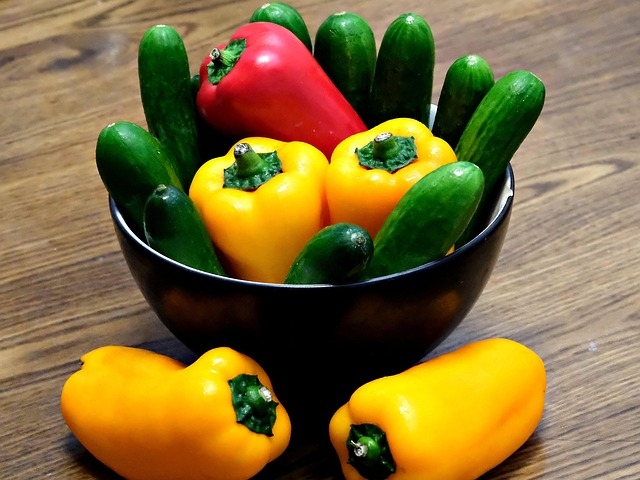
Great Options Include:
- Spinach
- Kale
- Romaine lettuce
- Arugula
- Cucumbers
- Zucchini
- Broccoli
- Cauliflower
- Bell peppers
- Celery
Benefits:
- Extremely low in calories
- High in vitamins and minerals
- Help create larger, more filling meals
Fun Tip: Roasting vegetables with simple seasonings can turn them into flavorful comfort foods without adding excessive calories.
2. Fruit
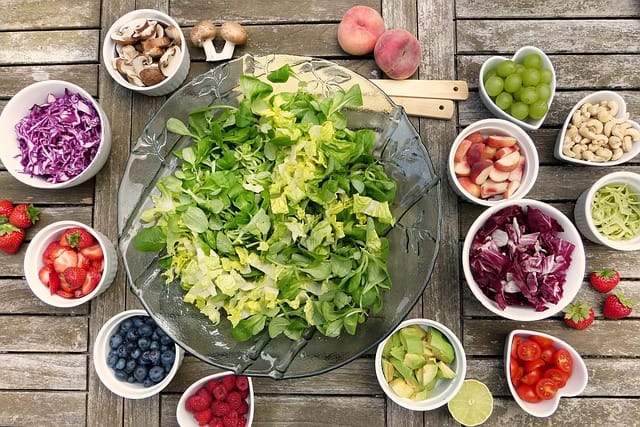
Fruit is another excellent category of low calorie dense foods. Many people avoid fruit because they worry about sugar, but whole fruits contain natural sugars along with fiber, vitamins, and antioxidants.
Watermelon, strawberries, blueberries, oranges, apples, and grapefruit are especially satisfying because they contain a high amount of water.
Best Choices:
- Watermelon
- Strawberries
- Blueberries
- Oranges
- Apples
- Grapefruit
Why Fruit Works:
- Naturally high in water
- Contains fiber that supports fullness
- Helps satisfy sweet cravings
- Packed with antioxidants and nutrients
Healthy Snack Idea: Swap processed desserts for fresh fruit with Greek yogurt for a filling and refreshing treat.
3. Broth-Based Soups
Soup is often underrated for weight management and healthy eating. It is often overlooked when discussing low calorie dense foods, but broth-based soups can be incredibly filling. Starting a meal with broth-based soup may help you naturally eat smaller portions afterward.
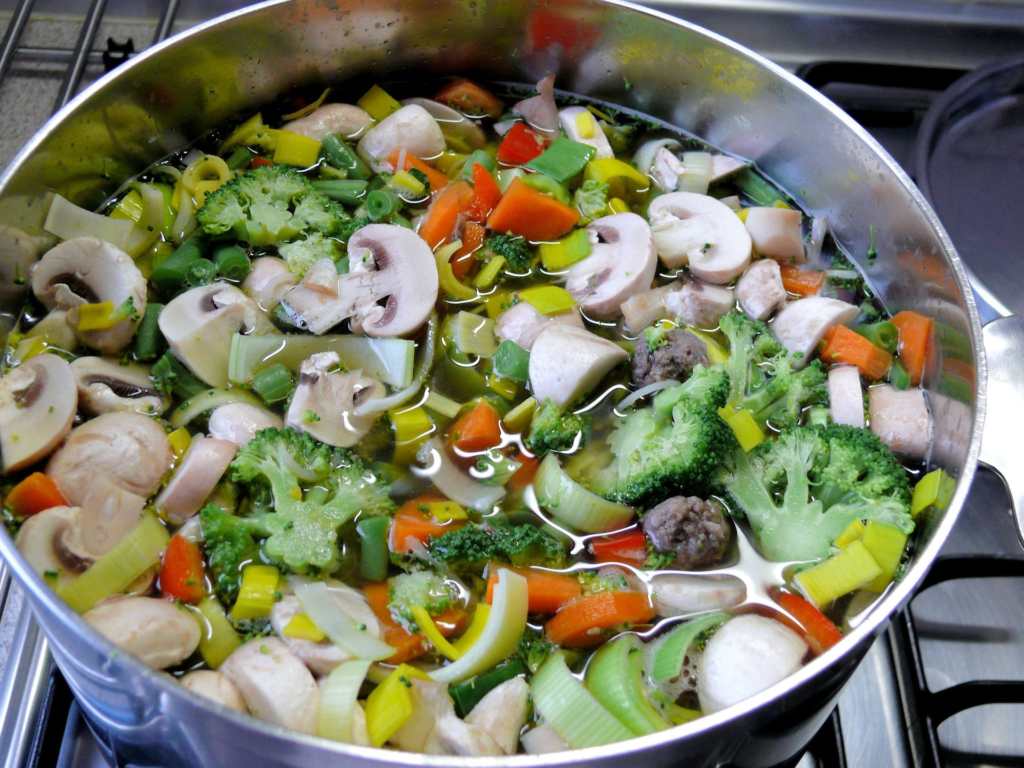
Healthy Soup Ideas:
- Vegetable soup
- Chicken and vegetable soup
- Lentil soup
- Minestrone soup
Benefits:
- High liquid content helps you feel full quickly
- Warm and comforting
- Can reduce overeating at meals
- Easy to meal prep
4. Lean Protein Sources
Protein helps control hunger and supports muscle maintenance. Lean proteins, such as chicken breast, tuna, egg whites and Greek yogurt, provide fullness without excessive calories.
Pairing lean protein with high-volume vegetables creates balanced meals that keep hunger under control for hours.
Great Low Calorie Dense Protein Options:
- Chicken breast
- Turkey
- Tuna
- Shrimp
- Egg whites
- Greek yogurt
- Cottage cheese
Benefits:
- Keeps you satisfied longer
- Helps stabilize energy levels
- Pairs well with vegetables for balanced meals
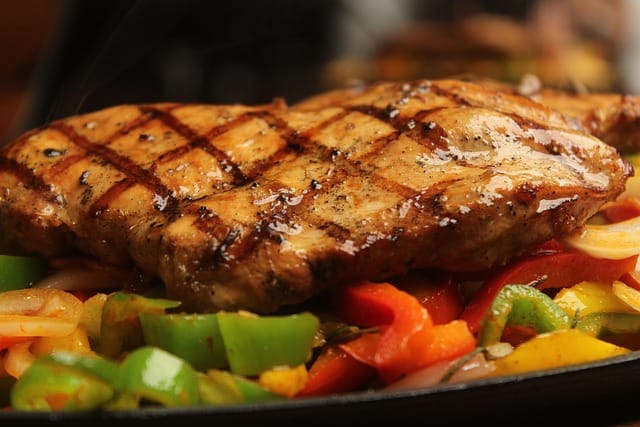
Meal Idea: Grilled chicken with roasted broccoli and cauliflower rice creates a filling, nutritious dinner without feeling heavy.
5. Potatoes and Sweet Potatoes
Potatoes often get an unfair reputation, but they are actually one of the most filling low calorie dense foods when prepared in healthier ways. Boiled or baked potatoes are naturally rich in nutrients and fiber, especially when the skin is left on. The problem usually comes from deep frying or loading potatoes with heavy toppings.
Sweet potatoes are another excellent option because they offer fiber, vitamins, and natural sweetness that can help satisfy cravings.
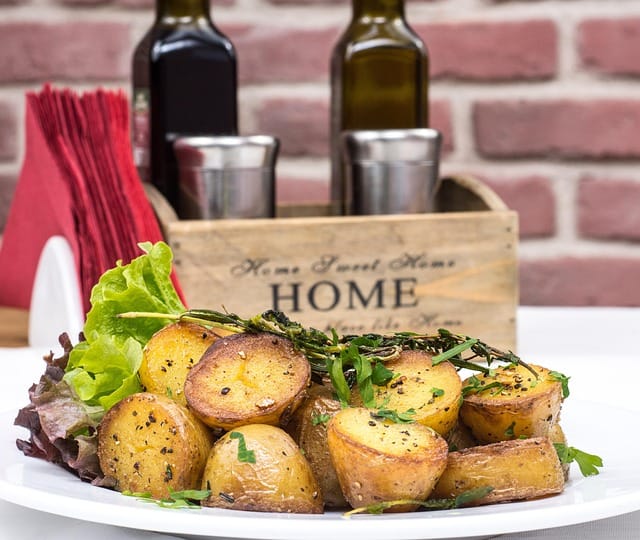
Healthier Preparation Methods:
- Baked potatoes
- Boiled potatoes
- Roasted sweet potatoes
Benefits:
- Naturally rich in fiber
- Help increase fullness
- Contain important nutrients and vitamins
6. Whole Grains
Whole grains can also fit into a low calorie dense eating style when eaten in balanced portions. Oats, in particular, are known for their ability to keep people full for long periods of time.
Good Choices:
- Oatmeal
- Brown rice
- Quinoa
- Air-popped popcorn
Benefits:
- Provide long-lasting energy
- Rich in fiber
- Help reduce hunger between meals
Breakfast Idea: Oatmeal topped with berries and banana creates a comforting, filling breakfast that supports healthy eating goals.
Benefits of Eating Low Calorie Dense Foods
Why People Love This Eating Style:
- Helps with weight management
- Reduces feelings of deprivation
- Allows larger meal portions
- Makes healthy eating more sustainable
- Helps control cravings
- Supports better energy levels
Easy Meal Prep Tips
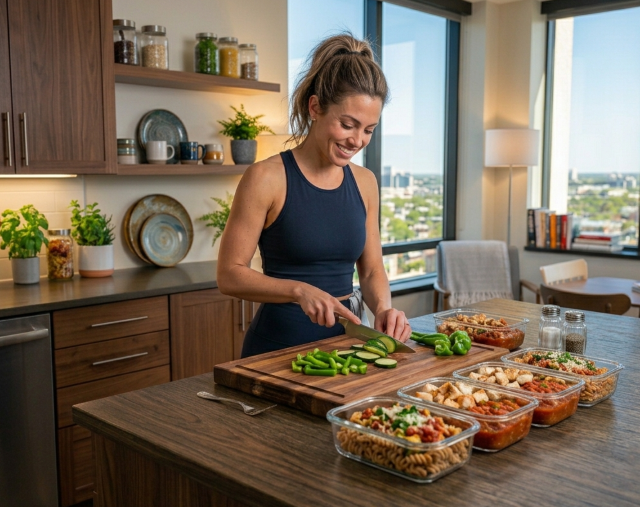
Meal prep can make incorporating low calorie dense foods even easier. Keeping washed vegetables, chopped fruit, cooked proteins, and healthy snacks ready to go can help you make better choices throughout the week. The quicker healthy foods are to grab, the easier it becomes to stay consistent.
Simple Meal Prep Ideas:
- Wash and chop vegetables in advance
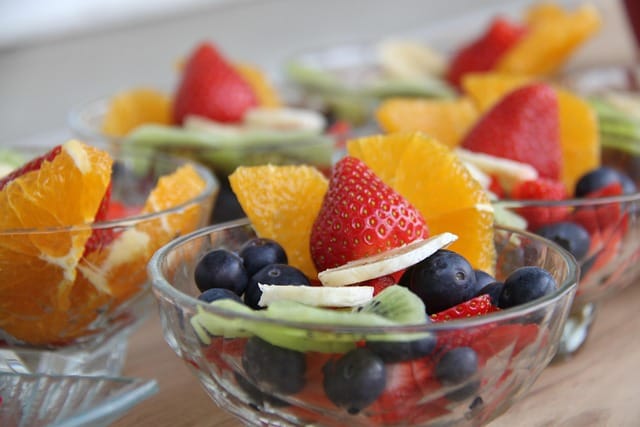
- Keep fruit ready for snacks
- Cook lean proteins ahead of time
- Make large batches of soup
- Prep smoothie ingredients in freezer bags
Easy Meal Examples:
- Large salads with grilled chicken
- Vegetable-packed soups
- Sheet pan roasted vegetables
- Smoothies with fruit and Greek yogurt
Healthy Eating Is About Balance
Healthy eating does not mean giving up your favorite foods forever. Remember that balance matters. Low calorie dense foods help create a foundation for your meals so you can still enjoy treats in moderation without feeling restricted. Adding a side salad, fruit, or roasted vegetables to meals can make a big difference without feeling restrictive.
Instead:
- Focus on adding more low calorie dense foods
- Build meals around vegetables, fruit, and lean protein
- Enjoy treats in moderation
- Create balanced meals that leave you satisfied
Final Thoughts
Low calorie dense foods can help you eat satisfying meals while supporting your health and weight goals. By choosing foods rich in water, fiber, and lean protein, you can create meals that are filling, nutritious, and enjoyable.
The bottom line is healthy eating should feel realistic and enjoyable. It should never feel like punishment. With the right foods on your plate, it can feel sustainable and delicious.