

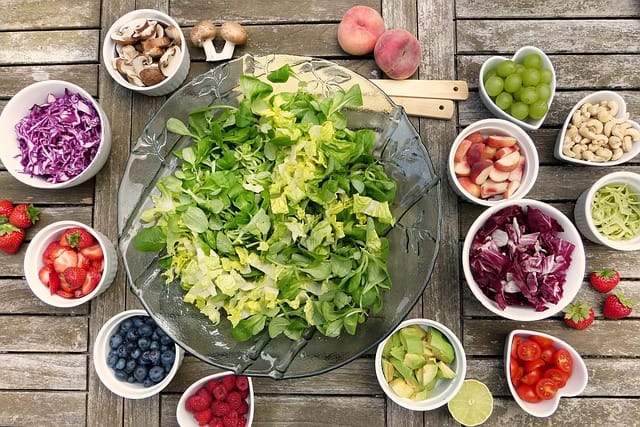



If you’ve ever gone down the weight loss rabbit hole, chances are you’ve come across the low carb diet for weight loss more than once. It’s everywhere—from social media transformation stories to expert nutrition advice—and for good reason. Many people swear by it as a simple and effective way to lose weight while still enjoying plenty of delicious food.
So, what’s the big deal about going low carb? And why does it seem to work so well for so many people? The best part is that a low-carb lifestyle doesn’t mean saying goodbye to flavor or surviving on boring meals. With a few smart food swaps and a balanced approach, you can enjoy satisfying meals, keep hunger in check, and work toward your weight loss goals without feeling like you’re on a strict diet.
What Is a Low Carb Diet?
A low carb diet focuses on reducing foods that are high in carbohydrates while emphasizing protein, healthy fats, and nutrient-dense vegetables. Carbohydrates are found in foods such as bread, pasta, rice, sugary snacks, baked goods, and many processed foods.
Instead of relying heavily on carbs, a low carb diet encourages foods like:
- Lean meats and poultry
- Fish and seafood
- Eggs
- Non-starchy vegetables
- Nuts and seeds
- Healthy oils
- Cheese and dairy products
- Avocados
The exact amount of carbohydrates varies depending on the individual plan, but the general goal is to reduce carb intake enough to encourage the body to use stored fat for energy.
Why a Low Carb Diet for Weight Loss Works
One of the biggest reasons a low carb diet for weight loss is so effective is that it can naturally reduce hunger. Many people find they feel fuller for longer when meals contain adequate protein and healthy fats.
Here are some of the key reasons low carb diets may support weight loss:
Reduced Appetite
Protein and healthy fats tend to be more satisfying than highly processed carbohydrates. When you feel fuller after meals, you’re less likely to snack excessively throughout the day.
Lower Insulin Levels
Carbohydrates cause blood sugar levels to rise, which triggers the release of insulin. By reducing carbohydrate intake, insulin levels may decrease, making it easier for the body to access stored fat for energy.
Less Water Retention
When people first begin a low carb diet, they often notice a quick drop on the scale. This is partly because reducing carbs causes the body to release stored water.
Better Blood Sugar Control
A low carb eating plan may help reduce blood sugar spikes and crashes, leading to more stable energy levels and fewer cravings.
The Best Foods for a Low Carb Diet
Success with a low carb lifestyle starts with choosing nutrient-rich foods that keep you satisfied and energized.
Protein Sources
Protein should be a major part of most meals. It helps support muscle maintenance while promoting fullness throughout the day.
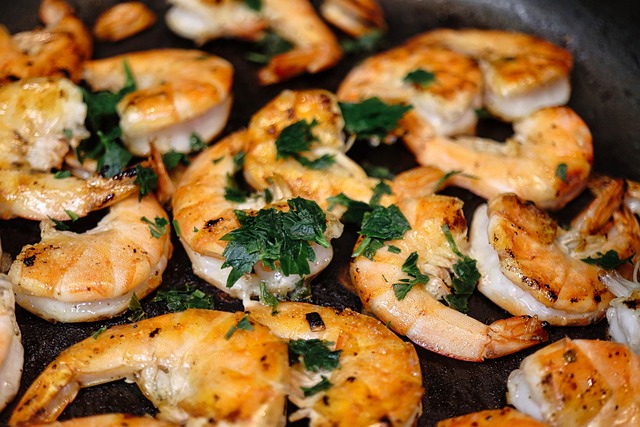
Good options include:
- Chicken breast
- Turkey
- Lean beef
- Pork tenderloin
- Salmon
- Tuna
- Shrimp
- Eggs
- Greek yogurt
- Cottage cheese
Non-Starchy Vegetables
Vegetables provide vitamins, minerals, and fiber without adding excessive carbohydrates. Many of them can add volume to meals while keeping calories under control.
Excellent choices include:
- Broccoli
- Cauliflower
- Spinach
- Kale
- Bell peppers
- Zucchini
- Green beans
- Cabbage
- Cucumbers
- Asparagus
Healthy Fats
Healthy fats help improve meal satisfaction and flavor. Adding moderate amounts of healthy fats can make meals feel more enjoyable and satisfying.
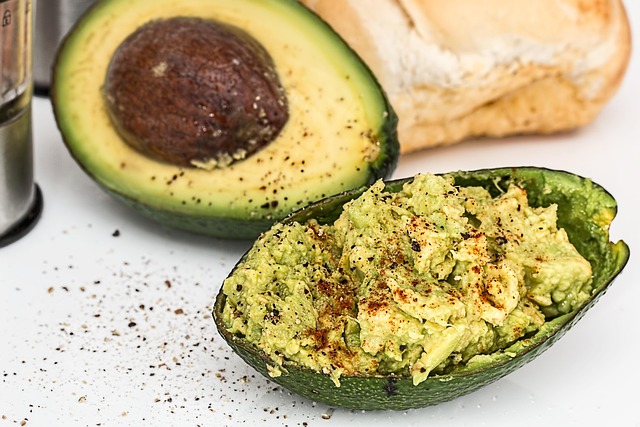
Popular low-carb fat sources include:
- Avocados
- Olive oil
- Nuts
- Seeds
- Nut butters
- Cheese
Foods to Limit on a Low Carb Diet
While no food needs to be completely forbidden, some foods are typically reduced when following a low carb approach. Reducing these foods can help lower overall carbohydrate intake and support weight loss goals.
These include:
- White bread
- Pasta
- Rice
- Sugary cereals
- Candy
- Cookies
- Soft drinks
- Sweetened coffee drinks
- Pastries
- Potato chips
Sample Low Carb Meal Ideas
One reason many people enjoy a low carb diet for weight loss is the variety of delicious meals available.
Breakfast

- Scrambled eggs with spinach and cheese
- Greek yogurt topped with berries and almonds
- Vegetable omelet with avocado slices
Lunch
- Grilled chicken salad with olive oil dressing
- Turkey lettuce wraps
- Tuna salad stuffed into bell peppers
Dinner
- Baked salmon with roasted broccoli
- Chicken stir-fry with cauliflower rice
- Steak with asparagus and a side salad
Snacks
- Hard-boiled eggs
- Cheese cubes
- Celery with peanut butter
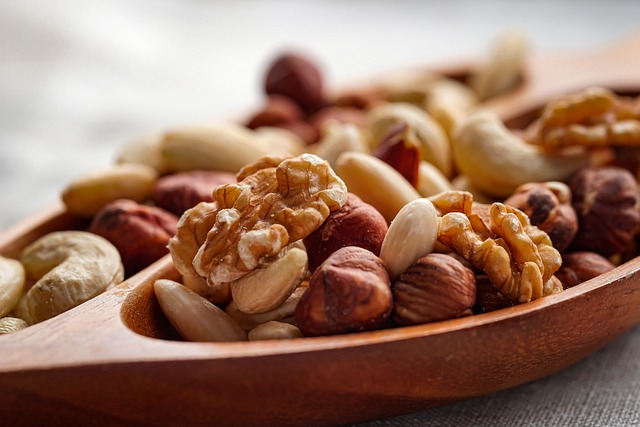
- Mixed nuts
- Cucumber slices with hummus
Tips for Long-Term Success
Like any healthy eating plan, consistency matters more than perfection.
Here are some simple ways to stay on track:
Plan Ahead
Meal prepping proteins and vegetables can make healthy choices easier during busy weeks.
Stay Hydrated
Drinking enough water can help manage hunger and support overall health.
Focus on Whole Foods
Choose minimally processed foods whenever possible. Whole foods tend to be more filling and nutrient-dense.
Don’t Fear Vegetables
Some people mistakenly think low carb means avoiding all carbohydrates. In reality, vegetables should remain an important part of your diet.
Be Flexible
Healthy eating doesn’t require perfection. Occasional treats can still fit into a balanced lifestyle.
Common Mistakes to Avoid
When starting a low carb diet, some people make a few common mistakes:
- Eating too few vegetables
- Relying heavily on processed low carb products
- Not getting enough protein
- Avoiding healthy fats entirely
- Setting unrealistic expectations
Sustainable weight loss happens gradually through consistent habits rather than extreme restrictions.
Final Thoughts
A low carb diet for weight loss can be a surprisingly enjoyable way to eat healthier while working toward your goals. Instead of constantly battling hunger, you’ll be filling your plate with satisfying foods like lean proteins, healthy fats, and colorful vegetables that help keep you feeling full and energized. Many people find that cutting back on carbs helps reduce cravings, boosts energy, and makes weight loss feel much more manageable.
The real secret to success is finding a way of eating that fits your lifestyle for the long haul. Rather than thinking of a low carb diet as a short-term fix, think of it as a flexible, realistic approach to making healthier choices every day.